Garden and Landscape Design
Custom designs for your needs and your land
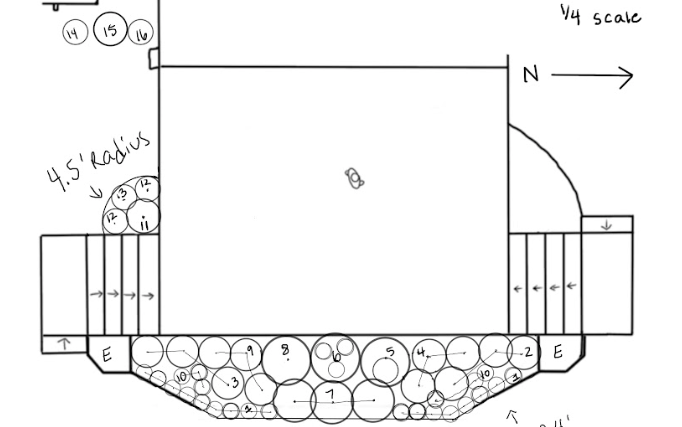
My design process:
- Initial client consultation-meet and greet, ideally see the site, get a feel for the client and the work, fill out the client interview.
- Deliver client brief- digital document that is a summary of the consultation, projects and goals identified, their scope and objective, problems to solve, services that I can offer and my fees, and estimates of timeline, milestones, deadlines, estimated design fees per project.
- Agree on services and sign a contract, collect half of estimated design fees or agree on a payment plan.
- Put in request with MissDig Utility Services to get information on the properties existing utilities that will need to be considered for the design. This service is free, and usually takes 2 weeks to get all of the relevant information.
- Field/site survey (measuring)-gather site data, measurements, photographs, topography, location of major elements in the landscape, existing and indicator species, mapping existing plants to be retained. This may include taking soil samples, particularly where there are concerns of potential soil contamination and growing edible foods.
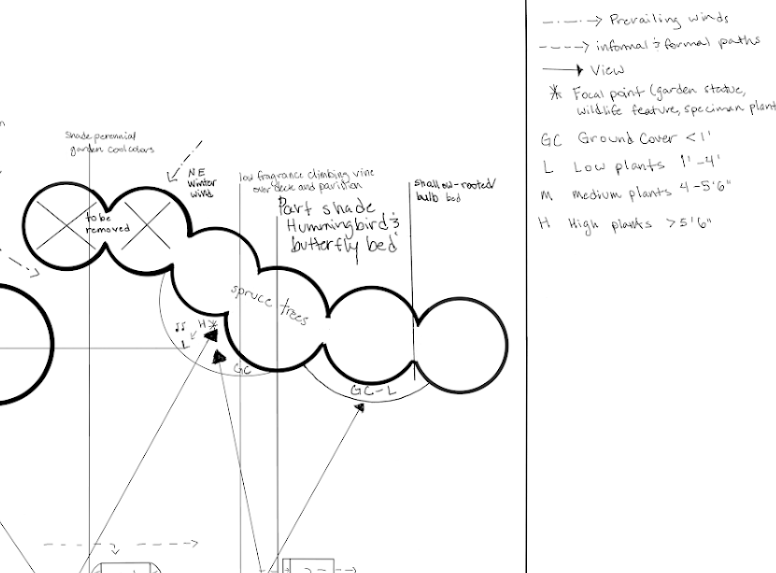
- Design development and Concept Designs-Prepare a base map and site analysis. Can include zone and sector maps (optional). Then create thumbnail concept designs and elaborate the options for new design possibilities for the client. Develop broad materials suggestions, consolidate all pieces of design for design presentations or in-process meetings for further feedback.
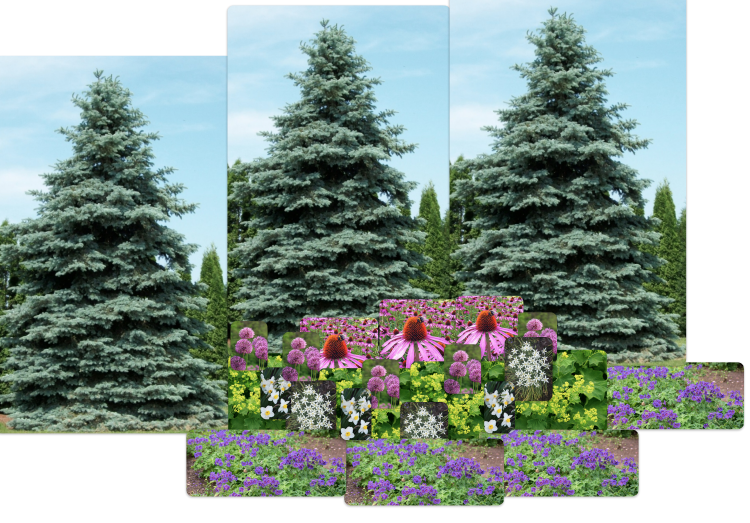
- Master design presentation-usually takes place several weeks to several months after the initial consultation meeting. Meet with client/s to present a master garden design. The garden design is created using design principles to create a layout for a garden that will accommodate the uses needed by the owner and consider all the environmental factors of the site. This can include digital collages of the plantings as well to help the client better visualize the design (optional). Further design presentations and edits as needed, meet or communicate to review refined garden designs based on client feedback.
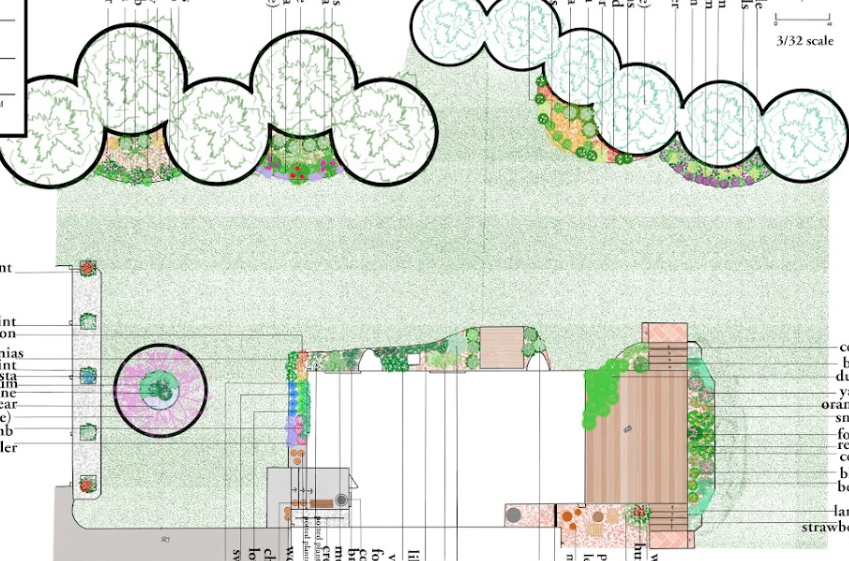
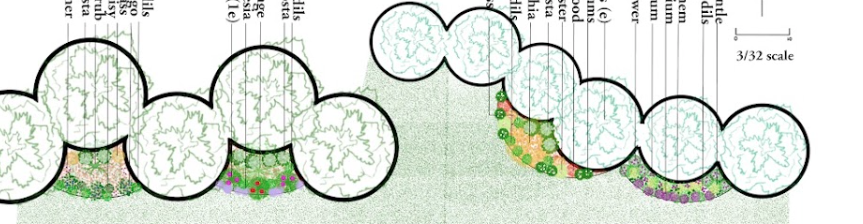
- Planting design presentation-once the garden design has been agreed upon, I will finalize and present the planting design for the agreed upon areas. The planting plan or planting design is usually part of the final stages of the process of the design, where I combine a variety of plant species to create attractive and harmonious plant compositions for the planting based on the agreed layout. This contains detailed information on plant species, mature height and width, spacing and relative location in the garden which you could use to install the project yourself or contract out to another landscaper.
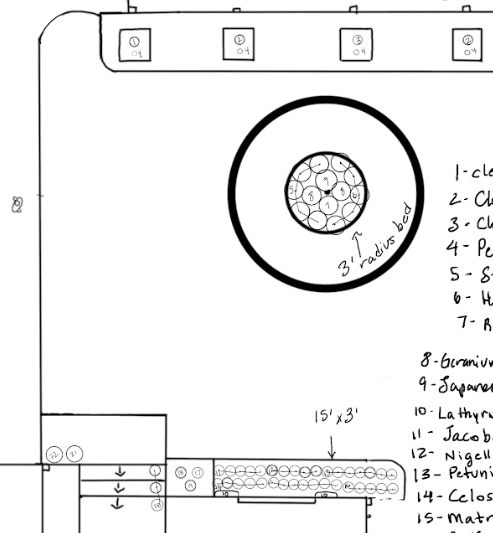
9. After the design presentations I collect the remaining balance of the design fee. Clients will receive a design document that can be printed and/or available in digital format with all the materials of the design process: consultation brief, concept designs, site analysis, master design and planting design, base map, plant inventory, and a design document explaining the designs, plant care and maintenance guidelines for the first few years after planting, and implementation and timeline suggestions.
*As a designer I can make suggestions for hardscape elements, irrigation, or the alteration of sites such as grading and drainage plans, but a licensed landscape architect should be contracted to make the plans and do the work on these elements of the landscape.
**If you are low income or on a fixed income, we can discuss a different design package or payment plant that can work for you.
Note: It’s important to keep in mind that there is no need to develop an entire property at once. Completing the landscape over a period of several years might be more economically feasible and may ultimately improve the overall design. An extended installation time frame allows more opportunity to evaluate plants as they grow and mature and consider the impact and desirability of planned hardscape features. The additional time can also help better identify those parts of the landscape that supply essential functions and those that have to be installed before other elements of the landscape can be incorporated. By establishing priorities, we can implement the landscape projects you desire in stages, for example front yard versus backyards, or large plant material, then small).
Custom designs for your needs and your landscape