January in the Garden
Most years, January is a blanket of snow in Michigan. It’s one of the hardest months for the garden and easiest for the gardener. It’s a great time to rest, observe and start planning about the year ahead in the garden. The bones of the garden are laid bare, so you can take a good look at the garden’s overall structure.
Design
Imagine the garden you would like to have. Start a garden journal or notebook, so you can keep your designs, diagrams, planting plans, and notes all in one place.
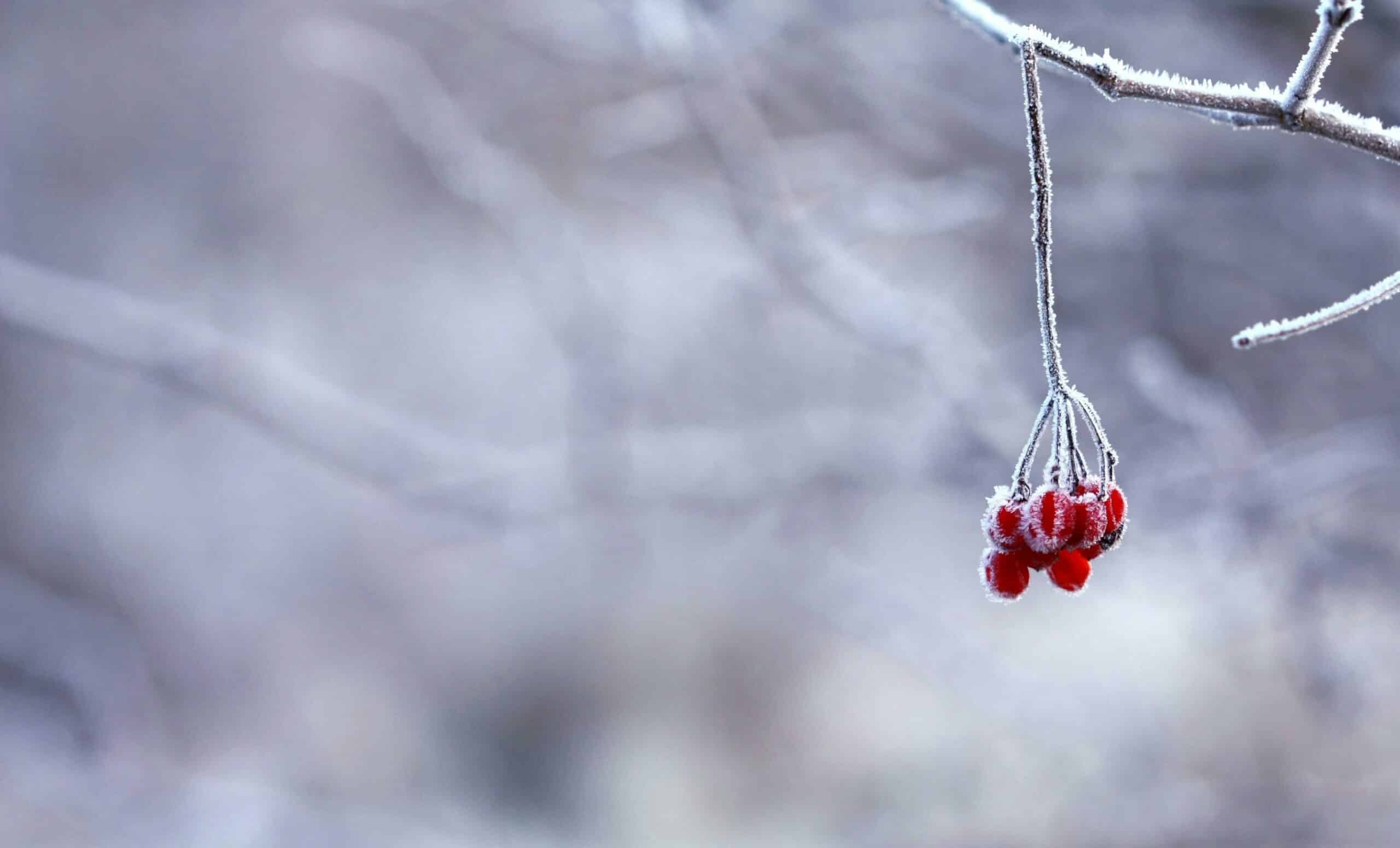
Look out over your frozen garden and note what garden elements there are that provide winter visual interest, like evergreens, birdbaths, ponds, benches, decks, pathways, arches, persistent fruit, unusual bark and branch patterns, and colorfully stemmed shrubs.
Look for and keep track of potential problem areas in the garden:
- Windswept areas, such as perhaps a tree, shrub or hedge could be added next summer to provide shelter
- Snowfree areas: places where the snow is always quick to melt are poor choices for very tender plants, which benefit most from the protection of the snow.
- Snowbound areas: places where the snow is slowest to melt provide the most protection to plants, but stay frozen longest in spring, making them poor locations for spring-flowering plants.
- Waterlogged areas-places where water is slow to drain or pools during wet weather are good spots for bog plants and moisture-loving plants.
- Dry areas: places that rarely get wet or that drain quickly can be reserved for drought-resistant plants.
- Look at where snow melts first, usually near south-facing walls. These areas leave plants vulnerable to the stressful cycles of heat and cold. A good, thick fall mulch proves to be extremely valuable in a snowless year or a snowless area.
- Look where areas are prone to erosion and soil washing away, consider planting groundcovers there.
Outside
- Snow is a garden’s best friend! It insulates and covers the plant from fluctuations in temperature. You can pile clean snow on snowless garden beds to insulate them against the wind and cold. Some people refer to this as “snow farming”
- Feed birds over the winter, it encourages them to keep visiting in summer when they will help keep your insect pest populations in control.
- Snow load can injure evergreens–gently brush off the branches of evergreens such as cedars, yew and juniper, but leave any ice that forms to melt naturally to avoid damaging the plants.
- Avoid using chemical de-icers because they are harmful to lawns and garden plants. Alternatively, in Nordic countries they spread gravel periodically through the winter as it snows and melts to give traction to walkers and then sweep up the gravel in the spring. They store and reuse the gravel for many years. Find locally sourced options in our area!
- If you have a real Christmas tree, instead of trashing or recycling or composting it, you can cut it up and use the branches as mulch to shelter low-growing shrubs and evergreens. Or, save it and let it dry over a few months and have a sparkly toasty bonfire with it!
Inside
- Order gardening and seed catalogs, or start looking online, if you grow your plants from seeds.
- Choose and order seeds for early seed starting, and nursery stock for spring planting.
- If you are starting plants from seed, test older seeds for viability
- If you are starting plants from seed, determine what seeds will need cold stratification and for how long, then calculate your seed starting dates and put these on your calendar!
- Avoid placing house plants near hot or cold drafts.
- Reduce the amount of water you are giving to inside plants, they don’t need as much in the winter months. Increase the humidity for them by placing pots on a tray of pebbles, add water to the pebbles when needed. This will increase their humidity through evaporation but prevent water-logged roots.
- Check indoor plants regularly for common indoor insect pests such as whiteflies, spider mites and mealybugs.
- Clean your house plants’ leaves. When light levels are low they need to use whatever light is available. This can also help reduce insect populations, as you wipe off eggs along with dust.
Maintenance
- Now is a good time to get lawn mowers and other power tools serviced so they are ready for spring, or put in orders while prices are low and there is more in stock.
Leave a Reply